Spotify · Updated July 10, 2026
Spotify Playlisting and Playlist Submission Guide
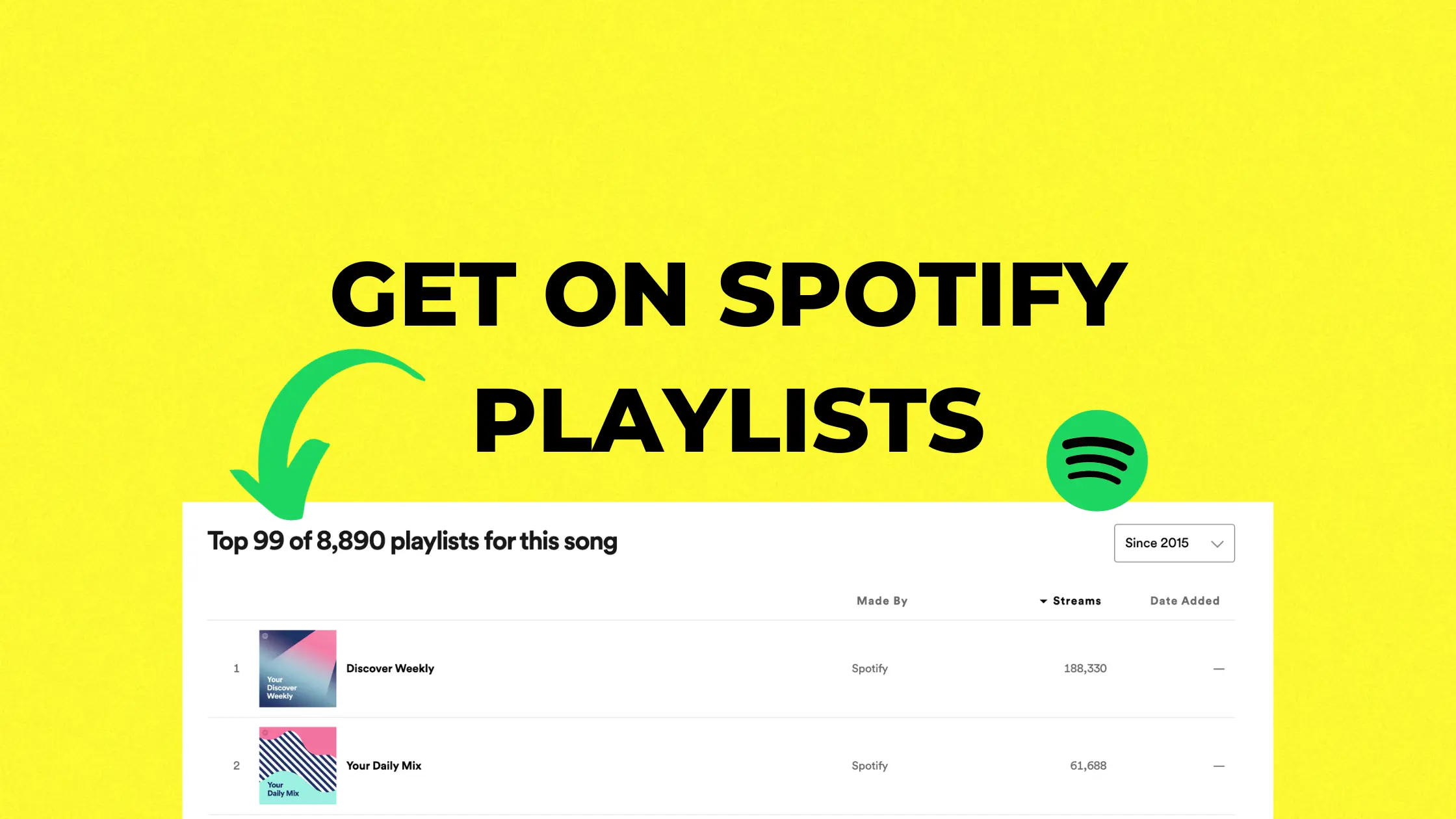
Spotify playlisting is bigger than filling out a submission form.
Spotify playlist submission can still help. The problem starts when artists treat editorial playlists, algorithmic playlists, listener playlists, and independent curator playlists like one giant inbox.
Use this version for 2026: pitch unreleased music through Spotify for Artists, submit to Spotify playlists where the curator fit is real, and build the listener behavior that helps algorithmic playlists notice you.
Quick answer: Spotify playlisting works best when you combine the official Spotify for Artists pitch, selective curator outreach, clean traffic, and listener-quality reporting. Submit unreleased songs through Spotify for Artists, use free Spotify playlist submission sites as research, and judge every add by saves, follows, repeat listening, source quality, and whether the audience keeps listening after the spike.
Spotify Playlisting: Pick the Right Lane
Editorial, algorithmic, listener, and independent curator playlists all work differently. Start with the lane you can influence and decide what you will measure if the song gets added.
| Playlisting lane | Use it for | What to watch |
|---|---|---|
| Official Spotify pitch | Editorial consideration for one unreleased song through Spotify for Artists. | Pitch clarity, release timing, profile readiness, and Release Radar setup. |
| Algorithmic playlists | Release Radar, Discover Weekly, Radio, autoplay, and personalized mixes. | Saves, follows, repeat listening, personal playlist adds, and clean source data. |
| Independent curators | Genre-fit playlists run by curators, blogs, labels, creators, or communities. | Playlist fit, listener location, streams per listener, saves, and follows. |
| Submission sites | Organizing outreach through tools like SubmitHub, Groover, DailyPlaylists, One Submit, and Playlist Push. | Whether the tool gives real consideration, feedback, source transparency, and post-placement data. |
| Promotion around the pitch | Creating demand with content, ads, smart links, email, SMS, shows, and fan channels. | Stream clicks, save rate, follower lift, retargeting pools, and repeat behavior. |
If you are only filling out forms, you are doing submission. Spotify playlisting includes the work before and after the pitch.
Spotify Playlisting vs Spotify Playlist Submission
Spotify playlisting is the broader strategy. It includes editorial pitching, algorithmic playlist signals, independent curator outreach, listener playlist adds, and the release work that makes the song worth adding.
Spotify playlist submission is the narrower action. You submit a track through Spotify for Artists, a curator form, a free submission site, or a pitching platform. Submission gets the song in front of someone. Playlisting only helps when the listener behavior after the add is real.
Use free Spotify playlist submission as one lane, not the whole campaign. The safer plan is to pitch the right curators, build demand from your own audience, and measure whether the playlist created saves, follows, repeat listening, and clean source-of-streams data.
The Safe Spotify Playlisting System
If you are trying to get on Spotify playlists, build the system before you chase the add.
- Pitch Spotify editors before release. Use Spotify for Artists while the song is still unreleased, and give editors a clear genre lane, audience context, and release plan.
- Submit to independent curators with fit. Prioritize playlists where your song belongs, the curator looks active, and the audience makes sense for your sound.
- Create listener signals outside playlists. Use content, email, text, Discord, shows, and ads to create saves, follows, repeat listening, and personal playlist adds.
- Track the source quality. Use smart links and music analytics so you can see whether a playlist drove real fan behavior or a short spike.
A release system keeps producing signals after the submission. A lottery-ticket approach leaves the whole campaign waiting on someone else.
Spotify Playlist Placement: Safe vs. Risky
Spotify playlist placement is safe when a real curator chooses the song because it fits the playlist and the listeners behave like real fans afterward.
Risky playlist placement usually sells the result before anyone hears the song: guaranteed streams, guaranteed placement, vague traffic sources, or playlists with no clear genre lane.
Before paying for playlist help, ask the company to name the placement source and explain why the audience fits your song. You should also be able to check saves, follows, repeat listening, listener location, and source quality afterward. Without that information, the stream count tells you almost nothing.
If you want the red flags in more detail, read the fake Spotify playlists guide before spending money on a placement offer.
Quick Answer: How Do You Submit Music to Spotify Playlists?
- For Spotify editorial playlists: use the Spotify editorial playlist guide to pitch one unreleased song through Spotify for Artists before release day.
- For Release Radar: submit the pitch at least 7 days before release so the song can reach followers through Release Radar.
- For independent curator playlists: pitch curators directly or use tools like SubmitHub, Groover, DailyPlaylists, One Submit, or Playlist Push.
- For algorithmic playlists: you cannot submit directly. You earn them through real saves, follows, repeat listens, playlist adds, and clean traffic.
The part most artists miss: Spotify playlist submission is not the strategy. It is one channel inside a bigger music release strategy. If you are comparing paid help, read the Spotify promotion services guide before you pay for a package.
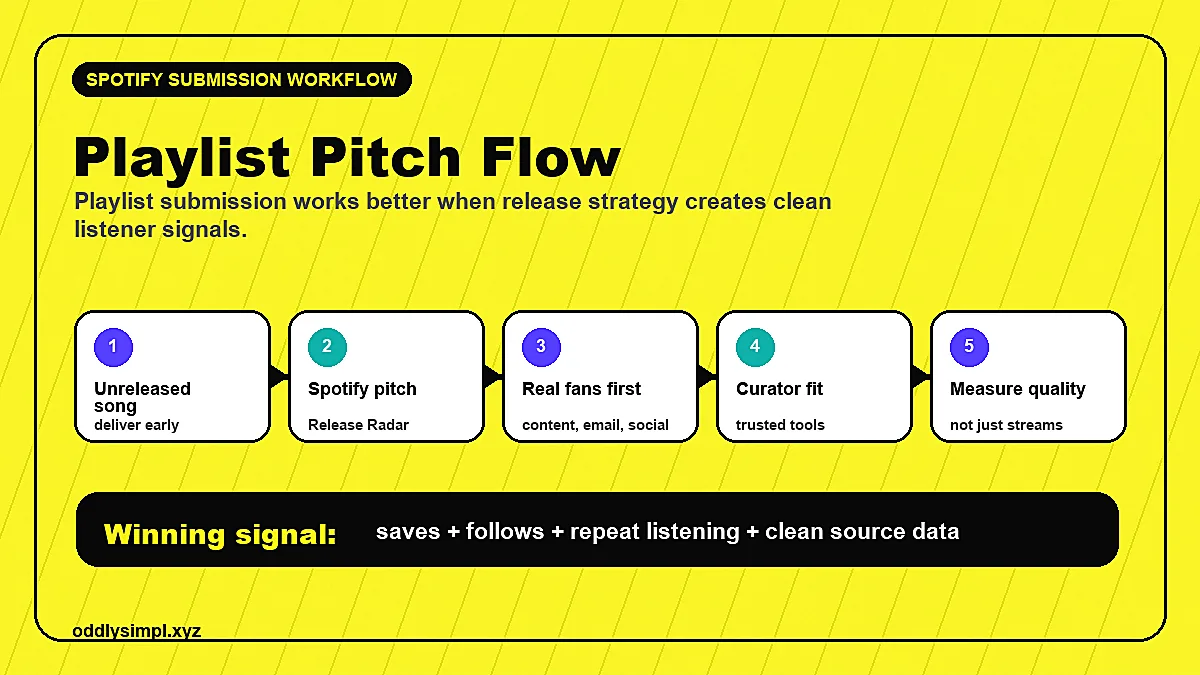
The Three Spotify Playlist Types
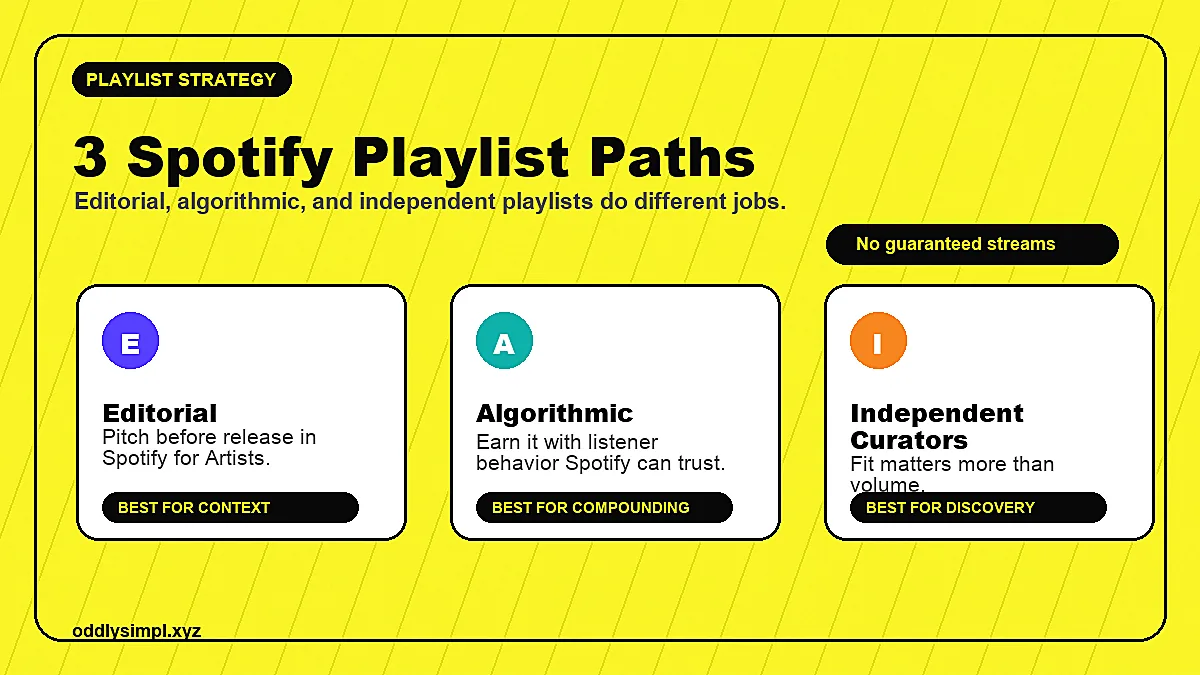
1. Spotify Editorial Playlists
Editorial playlists are curated by Spotify's internal playlist editors. You pitch these through Spotify for Artists before the release goes live.
Spotify says pitching does not guarantee placement, and editors may choose a different song than the one you pitched. But pitching still matters because it gives Spotify context: genre, mood, instruments, culture, location, and the story around the release.
For the strongest shot, deliver the song to your distributor early, pitch it as soon as it appears in Spotify for Artists, and give yourself more than the bare minimum window. Seven days is the practical cutoff for Release Radar. Two weeks or more is cleaner for planning.
2. Spotify Algorithmic Playlists
Algorithmic playlists include Release Radar, Discover Weekly, Radio, Daily Mix, autoplay, and personalized recommendations.
You do not submit to these directly. You influence them by creating listener behavior Spotify can trust.
That means:
- real followers before release day
- saves and personal playlist adds
- repeat listening instead of one-and-done streams
- low skip behavior from the right audience
- clean source-of-streams data
- consistent audience fit around similar artists and genres
For the full breakdown, use the Spotify algorithmic playlist guide.
3. Independent Curator Playlists
Independent curator playlists are run by people, brands, blogs, creators, labels, and playlist companies outside Spotify.
You can pitch them manually, use submission marketplaces, or hire a promotion partner. This lane needs the most judgment. A good playlist can put you in front of real listeners. A bad playlist can send noisy data, passive streams, or suspicious traffic.
Do not buy guaranteed streams or guaranteed Spotify playlist placements. Spotify's own guidance is clear that paid third-party services promising streams or placement are not legitimate and can put your music at risk.
Free Spotify Playlist Submission: Worth It?
Free Spotify playlist submission can be worth doing when the curator is real, the playlist fits your genre, and the submission does not ask you to trade money for guaranteed streams.
The problem is time. Most free submission lists are messy. You might find a few real curators, but you will also run into dead forms, inactive playlists, fake-looking growth, and playlists that do not fit your song at all.
Use free playlist submission as research, not the whole plan. Track who you pitched, what they accepted, how the playlist performed, and whether saves, follows, repeat listening, and source-of-streams data improved after the add.
Best Free Spotify Playlist Submission Sites and Forms
Playlist submission sites can save time, but each one solves a different problem. Do not treat every platform as the same promise with a different logo.
- Spotify for Artists: the official form for pitching one unreleased song to Spotify's editorial team.
- SubmitHub and Groover: curator and media pitching platforms where feedback and fit matter more than raw playlist reach.
- DailyPlaylists: a free-submission starting point for finding some independent curator forms.
- Playlist Push: a paid campaign option that may fit certain songs, but you still need to judge the downstream listener quality.
- Direct curator forms: useful when the playlist is real, active, genre-specific, and transparent about submissions.
Before filling out any Spotify playlist submission form, check three things: does the playlist fit the song, does the curator look active, and can you measure what happens after placement? If the form sells a guaranteed stream number, skip it.
For a broader vendor comparison, use the Playlist Push alternatives guide and the music promotion services guide.
Spotify Playlist Submission Sites: What to Check First
Before you submit to Spotify playlists through any site, check whether the platform gives you enough information to protect the song.
| Check | Good sign | Bad sign |
|---|---|---|
| Curator fit | The playlist has a clear genre, mood, and recent activity. | The playlist accepts every genre and sells reach first. |
| Traffic quality | You can review saves, follows, repeat listening, and source data after placement. | The site only talks about streams, views, or follower count. |
| Pitch process | You submit the song for consideration, and curators can reject it. | The site guarantees playlist placement or guaranteed streams. |
Free submission can still be useful. The mistake is treating a submission form like a release strategy.
Spotify for Artists Playlist Submission Form
The official Spotify playlist submission form lives inside Spotify for Artists. It shows up after your distributor delivers an unreleased track to Spotify. From there, you can pitch one song per release to Spotify's editorial team. If editorial is the main goal, read the step-by-step guide on how to get on a Spotify editorial playlist before you write the pitch.
Use the form to give editors context they cannot hear from the audio alone: genre, subgenre, mood, instruments, culture, location, language, release plan, and audience signals. Keep the pitch specific. "This song is a banger" tells them nothing. "Pop punk single for fans of Hot Mulligan and The Wonder Years, supported by a West Coast tour and short-form campaign around the chorus" gives them a lane.
Pitching through Spotify for Artists also helps Release Radar when the song is submitted at least 7 days before release. That does not guarantee editorial placement, but it gives the release a cleaner setup than uploading at the last minute.
How to Pitch Spotify Editors
Inside Spotify for Artists, choose the unreleased track and fill out the pitch carefully.
A good Spotify pitch should include:
- Genre and subgenre: be specific, not inflated.
- Mood and use case: what does the song feel like, and where does it fit?
- Instrumentation: give editors concrete musical context.
- Culture and audience: who is already responding to this sound?
- Release plan: mention real support like content, ads, press, touring, collaborations, or existing fan momentum.
- Story: one concise reason this song matters now.
Do not write like you are begging. Write like you are helping an editor understand where the song belongs.
How to Pitch Independent Curators
Curator pitching is not about blasting everyone with the same message. It is about fit.
- Find playlists where your song belongs.
- Check whether the playlist has believable activity and a clear genre identity.
- Listen to the playlist before pitching.
- Write a short note explaining why your song fits that exact list.
- Track responses, adds, saves, follower growth, and source quality.
If you want a platform, compare the options in the Playlist Push alternatives guide. SubmitHub, Groover, DailyPlaylists, One Submit, and Playlist Push all solve slightly different problems.
What to Avoid
- Guaranteed streams: real listener behavior cannot be guaranteed at a fixed number.
- Guaranteed playlist placement: real curators choose songs because they fit.
- Huge follower playlists with weak engagement: follower count is not the same as active listeners.
- Random country spikes: if the geography makes no sense for your audience, slow down.
- No reporting beyond streams: saves, follows, source of streams, and repeat listening matter more.
- Same package for every artist: your genre, stage, and release goal should change the plan.
If the offer makes playlisting sound easy, treat that as the clue.
How to Increase Your Playlist Chances Before Release Day
Playlist pitching works better when the rest of the release is alive.
- Finish your Spotify profile: bio, photos, Artist Pick, clips, canvas, merch or concert info if relevant.
- Build Spotify followers before the release so Release Radar has somewhere to go.
- Create content that explains the world of the song before asking people to stream.
- Use a smart link so you can track where interest is coming from.
- Send warm fans first: email, texts, Discord, close friends, past listeners, and engaged social followers.
- Use ads carefully if you already have content or audience signals worth testing.
The goal goes beyond getting on a playlist. Make the playlist performance look believable because people are already responding.
How to Know if a Playlist Campaign Worked
Open Spotify for Artists and look beyond total streams.
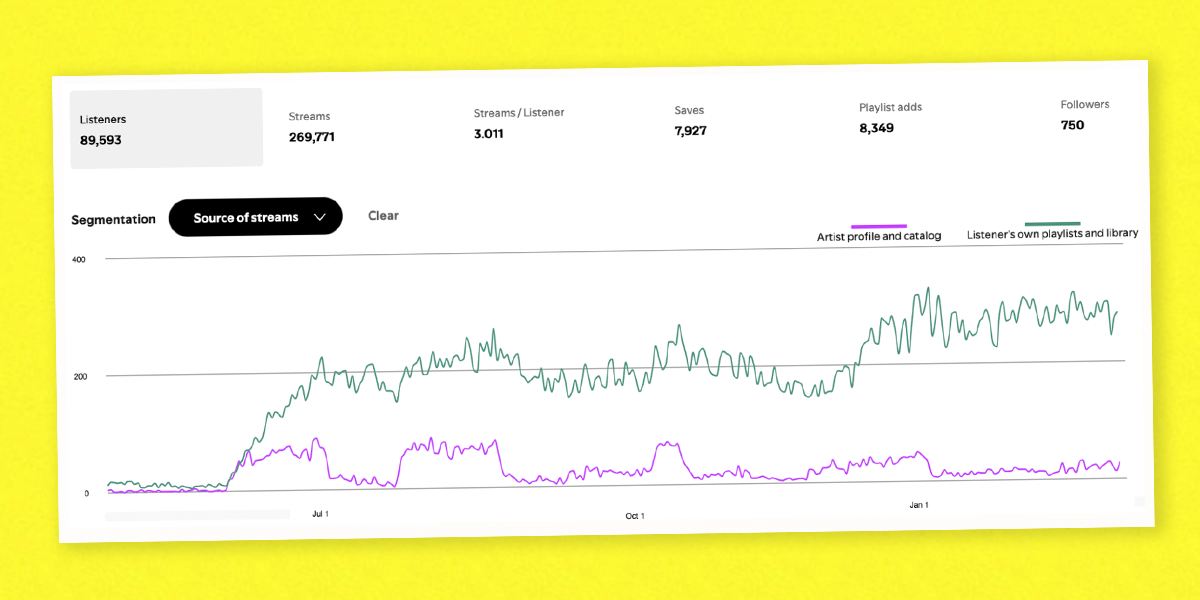
- Did saves rise?
- Did followers rise?
- Did streams per listener improve?
- Did listeners add the song to personal playlists?
- Did source-of-streams data look clean?
- Did any baseline remain after the playlist add ended?
Use music analytics here. A playlist campaign that teaches you who cares is more valuable than a spike that vanishes.
The Honest Playlist Strategy
Submit the song. Pitch editors. Pitch curators. Use tools when they save time. But do not build your whole release around being chosen by someone else.
The stronger strategy is:
- release consistently
- build content around the song
- pitch Spotify before release
- pitch independent curators where the fit is real
- drive clean traffic from real fans
- measure listener quality
- use the data on the next release
That is how playlists become part of momentum instead of a lottery ticket. If you need the bigger channel plan around content, YouTube, ads, live shows, and owned fans, use the full guide on how to promote your music.
Spotify Playlist Submission FAQ
How do you submit music to Spotify playlists?
Submit unreleased music to Spotify editorial playlists through Spotify for Artists before release day. For independent curator playlists, pitch real curators directly or use submission tools, then judge the result by saves, follows, repeat listening, and source quality.
What is Spotify playlisting?
Spotify playlisting is the broader work of getting a song considered for editorial playlists, algorithmic playlists, listener playlists, and independent curator playlists. Safe playlisting focuses on fit, listener quality, and real fan behavior instead of guaranteed streams.
How does Spotify playlisting work?
Spotify playlisting works through several lanes: the official Spotify for Artists pitch, algorithmic listener signals, independent curator submissions, listener playlist adds, and promotion that creates real saves, follows, repeat listening, and clean source data.
Is Spotify playlisting the same as playlist submission?
No. Spotify playlist submission is the act of pitching a song through Spotify for Artists, curator forms, or submission tools. Spotify playlisting is the broader strategy: editorial pitching, algorithmic signals, curator fit, listener behavior, and post-placement measurement.
What is Spotify playlist promotion?
Spotify playlist promotion is the campaign around playlisting: release timing, official pitching, curator outreach, content, ads, smart links, and reporting. It should not mean buying guaranteed playlist placement or guaranteed streams.
Can you pay to get on Spotify playlists?
Do not pay for guaranteed Spotify playlist placement or guaranteed streams. Legit paid help can include pitching, research, ads, reporting, or campaign strategy, but real curators still choose songs because they fit the playlist.
What is the best Spotify playlist submission site?
The best Spotify playlist submission site depends on the job. SubmitHub and Groover are useful for feedback and curator pitching, DailyPlaylists is a simple free-submission starting point, and Playlist Push can help certain songs. None of them replace release strategy.
Is free Spotify playlist submission worth it?
Free Spotify playlist submission can be worth it when the curator is real, the playlist fits the song, and you track listener quality afterward. It is not worth it when the form promises guaranteed streams or sends the song to random playlists.
Where is the official Spotify playlist submission form?
The official Spotify playlist submission form is inside Spotify for Artists. It appears for unreleased music after your distributor delivers the track to Spotify, and you can pitch one song per release to Spotify editors.
How do you get on Spotify algorithmic playlists?
You cannot submit directly to Spotify algorithmic playlists like Discover Weekly or Radio. You influence them by driving real listener behavior: saves, follows, repeat listening, personal playlist adds, and clean traffic from people who fit the song.
If you want help building that system, apply for a simpl. campaign. We help independent artists use content, ads, analytics, and release planning to bring real listeners into the campaign before and after playlist pitching.
Keep building the strategy
-
Playlist Push alternatives
Compare curator tools before paying for playlist pitching.
-
Spotify algorithmic playlists
Learn how Release Radar, Discover Weekly, Radio, and other recommendations work.
-
Spotify promotion services
Avoid risky promotion and choose channels that build real listener behavior.
About the author

Anthony Pacheco
Anthony Pacheco is the founder of simpl., a former Sony Music analyst, and a Billboard-charting musician who has helped run 750+ artist marketing campaigns. He writes about real listener behavior, release systems, Spotify ads, and how artists can grow without fake playlist traffic.