Marketing Strategy · Updated July 10, 2026
Music Video Promotion: YouTube Marketing Plan
Music video promotion works best when the video becomes a campaign system, not a one-day YouTube link.
The best way to promote a music video in 2026 is to connect the official upload, short clips, fan prompts, paid audience tests, creator or press outreach, and reporting that shows what viewers did after watching.
If you are comparing music video promotion services, use one filter: can the campaign turn video attention into useful listener behavior? Cheap views make a counter look better. Comments, subscribers, saves, follows, stream clicks, email signups, and retargeting audiences give you something to build on.
The video is the asset. Promotion decides whether it becomes a fan-building moment or another expensive link in your bio.
Music Video Promotion: Quick Answer
Start with the official YouTube upload, then build the campaign around native clips and measurable fan actions.
- YouTube: title, description, thumbnail, playlist path, pinned comment, end screens, Shorts, and retargeting.
- TikTok, Reels, and Shorts: 8 to 12 clips built from the strongest scenes, lyrics, reactions, or fan prompts.
- Ads: small audience tests tied to stream clicks, subscribers, saves, follows, and retargeting pools.
- Reporting: watch time, comments, shares, profile visits, smart-link clicks, listener quality, and repeat behavior.
How to Promote a Music Video in 30 Minutes
If the video is already live and you need a usable plan today, start here.
- Fix the YouTube upload. Use the standard title format, write a description with streaming links and credits, choose a mobile-readable thumbnail, add chapters if the video has clear scenes, and pin one comment with the next action.
- Cut the strongest clips. Pull 8 to 12 short clips from the video. Use one lyric moment, one visual hook, one behind-the-scenes angle, one performance shot, and one fan prompt.
- Give fans something to do. Ask them to spot a visual detail, choose a favorite scene, decode a lyric, comment the city they want to see you in, or tag the friend who would get the song.
- Send people somewhere measurable. Use a smart link, YouTube pinned comment, email list, or text list so you can see which clips create real listener action.
- Test one paid audience. Put a small budget behind the clip with the strongest organic response. Judge it by stream clicks, saves, follows, subscriber growth, and retargeting audience size.
This is the fastest version of a music video marketing plan. The deeper version below helps you turn the video into a repeatable campaign, not a one-day post.
Best Way to Promote Your Music Video
The best music video promotion plan depends on the artist, but the order should stay consistent: fix the upload, make short clips, create a reason to comment, test the strongest angle with ads, and track what happens after the view.
If you only have time for one move, choose the clip with the clearest fan action. "Watch my new video" is weak. "Spot the Easter egg in the second chorus" gives fans something to do, and the comments help you see whether the idea is landing.
Music Video Marketing Plan Template
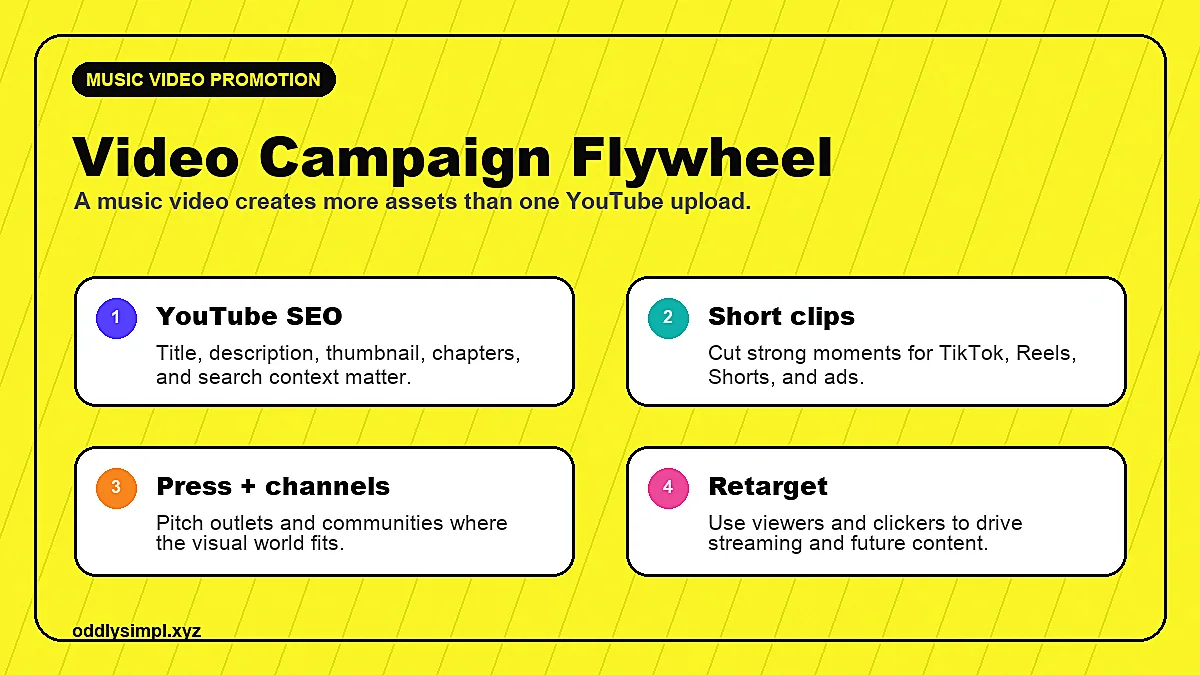
A useful music video marketing plan connects four jobs: make the YouTube upload searchable, turn the video into native short-form clips, create a fan prompt people can react to, and send interested viewers somewhere measurable.
Most artists skip one of those jobs. They upload the video, post a few screenshots, and call it promotion. That leaves too much value trapped inside one asset.
| Phase | What to do | What to measure |
|---|---|---|
| Before upload | Set the YouTube title, thumbnail, description, credits, links, playlist path, pinned comment, and end screens. | Impressions, thumbnail CTR, retention, comments, subscribers, and end-screen clicks. |
| Clip system | Cut 8 to 12 Shorts, Reels, and TikToks from the strongest visual moments, lyrics, reactions, and behind-the-scenes footage. | Rewatches, comments, shares, saves, profile visits, and follows. |
| Fan prompt | Give viewers a reason to comment: Easter eggs, favorite scene, lyric clues, outfit details, city requests, or genre references. | Comment quality, shares, saves, and whether non-followers respond. |
| Paid test | Test two or three audience lanes against the best-performing clip angles before scaling spend. | Cost per useful action, stream clicks, subscribers, saves, follows, and retargeting pool size. |
| Follow-up | Retarget viewers, answer comments with more clips, pitch press or creators, and repeat the angle that earned real fan actions. | Repeat engagement, streaming lift, playlist adds, email signups, and listener quality. |
That is how to market a music video without turning the whole rollout into a view-count bet. You are building a path from viewer to listener, then using the response to decide what deserves more time or budget.
Before You Spend on Music Video Promotion
A music video campaign needs more than "post on TikTok" advice. The video, song, audience, and next fan action should connect before you put money behind the rollout.
A useful music video promotion plan should answer five questions fast:
- Who should see the video? Similar-artist fans, genre communities, local markets, warm fans, or people who already watched your clips.
- Why should they care? Story, visual world, lyric hook, performance, Easter egg, controversy, humor, or a moment fans can react to.
- Where does the video live? YouTube official upload, Shorts, TikTok, Reels, email, website, smart link, press, and ads.
- What happens after the view? Subscribe, stream, save, follow, comment, join the list, buy tickets, or watch the next video.
- What proves it worked? Retention, comments, shares, saves, subscriber growth, click-throughs, listener quality, and repeat engagement.
Music Promotion Videos vs Music Video Promotion
Music promotion videos are the smaller clips that sell the bigger video and the song around it. Think Shorts, Reels, TikToks, reaction clips, behind-the-scenes cuts, performance moments, lyric hooks, interview snippets, and ad creatives.
Music video promotion is the full campaign system: YouTube setup, short-form distribution, press outreach, fan email, retargeting, paid ads, and reporting. If you only upload the official video and wait, you are using the most expensive asset once.
Build the promotion videos before release week. Pull 8 to 12 moments from the official video, then test which clips earn comments, rewatches, profile clicks, subscribers, saves, and streams. Those clips tell you which angle deserves budget.
Client Examples: What We Look For After the View
When we promote client music videos, we do not treat the view count as the finish line. A video can get attention and still fail if nobody comments, clicks, saves, follows, or comes back to the song.
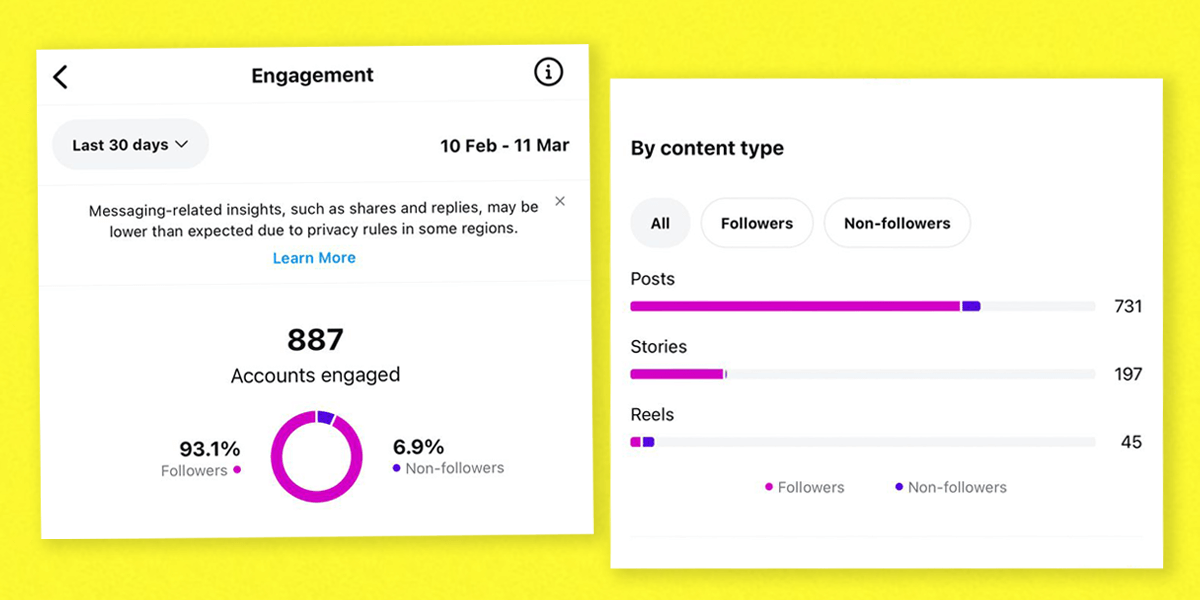
The better read is whether the video creates a signal you can use for the next push. Did one clip get more shares? Did fans comment on a visual detail? Did non-followers respond? Did paid traffic create stream clicks or only empty views?
Example 1: Reaction videos and Easter egg hooks
Reaction content works because it gives fans a job. If your music video has genre references, visual callbacks, outfit details, lyric clues, or fan-service moments, build clips around them.
A hook like "spot the Easter eggs" can drive comments because fans know what to do. Taylor Swift and Olivia Rodrigo trained fans to look for clues, but smaller artists can use the same behavior at a realistic scale: point people toward details they can notice, debate, and share.
That engagement also gives your ad tests better material. A clip with comments, rewatches, and saves is a better candidate for paid traffic than a polished teaser nobody responds to.
Example 2: Paid tests for music promotion videos
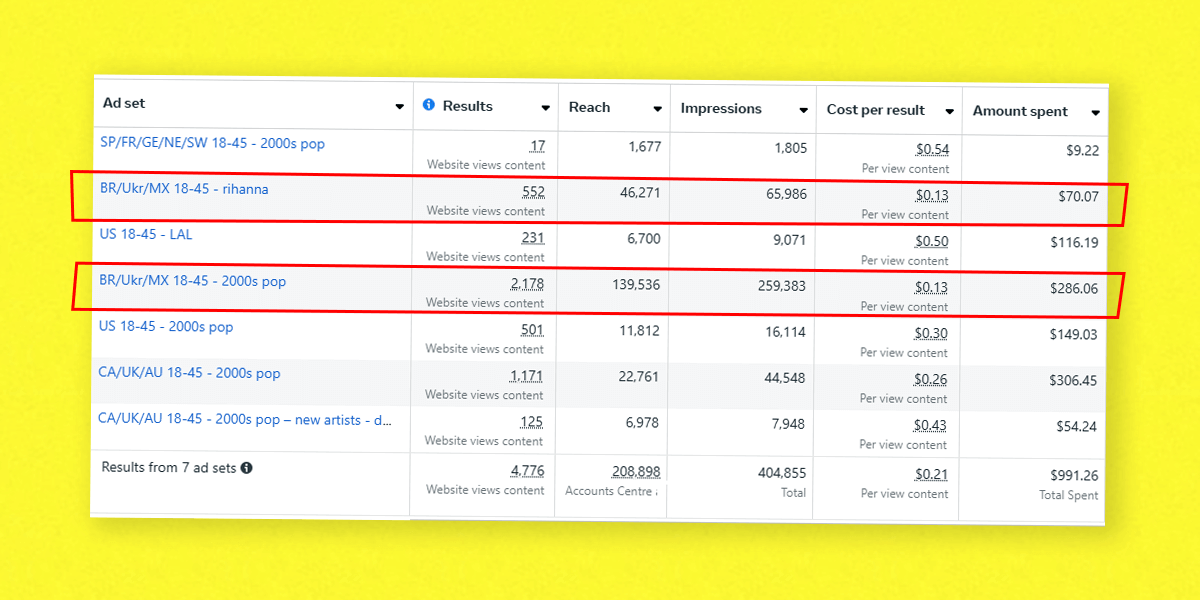
Paid promotion should test a real angle, not dump budget into one trailer. We usually want a few creative lanes: performance, story, lyric moment, fan prompt, and strongest visual shot. Then we test the audience lanes against the clip angles.
Example 3: Video attention should become listener behavior
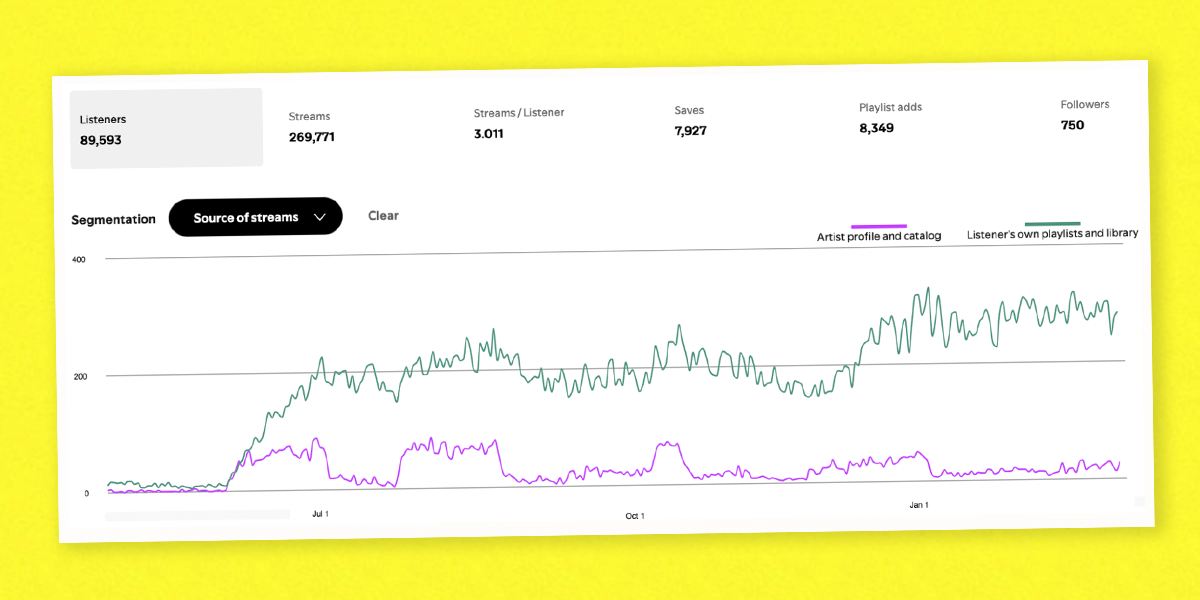
The most useful music video promotion campaigns connect the video back to the song. That can mean YouTube subscribers, Spotify saves, playlist adds, profile follows, smart-link clicks, or a stronger audience segment for the next release.
How to Promote a Music Video on YouTube
YouTube music video promotion starts with the official upload, but it should not stop there. Your video is part of a channel and catalog system, not a lonely link.
Before the premiere goes live, make sure you have:
- Title: use the standard format first: Artist Name - Song Title (Official Music Video).
- Description: add streaming links, credits, lyrics or context, social links, and one or two natural keywords.
- Thumbnail: choose a frame or design that reads fast on mobile. Faces, contrast, and one clear idea beat tiny text.
- Playlist path: move viewers from the video to more songs, live clips, lyric videos, or behind-the-scenes content.
- Pinned comment: give fans the next action: stream, follow, subscribe, join the list, or watch the next video.
- Shorts: cut the strongest moments into Shorts that point people back to the full video and the song.
The goal goes beyond YouTube views. Teach YouTube who responds to your video and give those viewers somewhere useful to go.
Music Video Promotion Services: What Should They Do?
A good music video promotion service should sell more than views. Views are easy to inflate and hard to interpret. The job is getting the right people to watch, care, click, subscribe, stream, follow, or share.
If you are comparing a music video promotion company, ask what part of the system they handle:
- YouTube setup: title, description, thumbnail, tags, chapters, end screens, playlists, and channel basics.
- Short-form repurposing: Shorts, Reels, TikToks, teasers, story clips, and ad cuts.
- Paid promotion: YouTube ads, Meta ads, retargeting, audience testing, and budget learning.
- Press and creator outreach: blogs, genre channels, local media, reaction channels, and creators who fit the sound.
- Measurement: watch time, subscriber growth, click-throughs, saves, follows, streaming lift, and audience quality.
Be careful with services that promise cheap views without explaining the traffic source. If the views do not create subscribers, comments, stream clicks, saves, or useful audience data, the campaign may help the screenshot while doing almost nothing for the song.
A real music video promotion service should also tell you what it will not do. It should not promise guaranteed viral growth, hide the source of views, or treat a high view count as proof that the song found the right listeners.
Music Video Promotion Package Checklist
Most music video promotion packages lead with views, ads, press, placements, or exposure. Those words tell you very little on their own. The reporting should show what viewers did after they watched.
| Question | Good answer | Red flag |
|---|---|---|
| Where does traffic come from? | YouTube ads, Meta ads, creator posts, press, warm audiences, or specific genre channels. | "Organic exposure" with no source breakdown. |
| Who sees the video? | Similar-artist fans, genre listeners, local markets, retargeting pools, or known audience segments. | Broad cheap traffic with no listener logic. |
| What creative gets tested? | Full video, Shorts, reaction hooks, lyric moments, behind-the-scenes, and ad cuts. | One generic trailer for every audience. |
| What happens after the click? | Stream, subscribe, save, follow, join the list, buy tickets, or watch the next video. | Views only. |
| What reporting do you get? | Retention, comments, subscribers, click-throughs, stream lift, saves, follows, and audience quality. | A screenshot of views and nothing else. |
Release Week Plan for Promoting a Music Video
If you want the video to do more than collect a few nice comments, plan the rollout before the premiere goes live.
- 7 to 10 days before: post behind-the-scenes content, announce the premiere date, and warm up your email or text list.
- 3 to 5 days before: publish the strongest teaser clips natively on TikTok, Reels, and Shorts.
- Release day: send your email, post the official video, reply to comments, and pin the cleanest call to action.
- Days 2 to 7: rotate different clips, test a few ad creatives, pitch press, and retarget people who watched but did not click through.
- Weeks 2 to 4: keep using new angles. Tell the story behind scenes, lyrics, styling, location, and the song itself.
Where Playlist Pitching Fits
A music video can help playlist pitching when it gives curators context. It shows the artist world, visual identity, fan reaction, and whether people care enough to comment or share.
If the song is unreleased, pair the video rollout with your Spotify for Artists pitch and a clean Spotify playlist submission plan. If the song is already live, use the video clips to drive better listener signals before you pitch more curators. The goal is to make the song look alive outside the inbox.
For the full channel plan, use the broader guide on how to promote your music. The music video should support the release system, not replace it.
How to Measure Music Video Promotion
Do not judge the campaign only by views. Track watch time, subscriber growth, comments, shares, saves, click-through rate to streaming, follows, email signups, and whether the same song starts getting better listener quality in Spotify for Artists. The music analytics guide explains how to read those signals without overreacting to one metric.
The simplest reporting stack:
- YouTube Studio: impressions, thumbnail CTR, retention, subscribers gained, traffic source, and end-screen clicks.
- TikTok and Instagram: comments, shares, saves, profile visits, follows, and which clips reached non-followers.
- Smart link: source, medium, destination clicks, conversion rate, and retargeting pixels.
- Spotify for Artists: saves, followers, playlist adds, source of streams, repeat listening, and audience geography.
- Ads manager: cost per useful action, creative winners, audience winners, and retargeting pool size.
If a video creates attention but no listener action, the next move is not always "spend more." It might be a better clip, a clearer link, a tighter audience, or a stronger release plan.
Music Video Promotion FAQ
What is the best way to promote a music video?
Treat the video like a campaign asset. Upload the official video to YouTube, cut native clips for TikTok, Reels, and Shorts, pitch genre-fit outlets, test ads against specific audiences, and judge the campaign by fan actions.
What are music promotion videos?
Music promotion videos are the short clips, teasers, reaction hooks, behind-the-scenes cuts, performance moments, and ad creatives that promote the official music video and give fans more reasons to click into the song.
What should a music video marketing plan include?
A music video marketing plan should include the official YouTube upload, short-form clips, fan prompts, paid audience tests, creator or press outreach, smart-link tracking, retargeting, and reporting on what viewers did after watching.
Are music video promotion services worth it?
They can be worth it when they explain the source of traffic, the creative plan, and the measurement. Cheap views with no subscribers, comments, streams, saves, or retargeting data are a weak outcome.
How do you promote a music video on YouTube?
Optimize the title, description, thumbnail, tags, chapters, end screens, playlist path, pinned comment, and Shorts clips. Then watch retention, subscribers gained, and click-throughs instead of views alone.
How do you market a music video?
Make the official YouTube upload the hub, cut native clips for TikTok, Reels, and Shorts, give fans a reason to comment, test paid audiences, and measure subscribers, stream clicks, saves, follows, and retargeting audiences.
Build the rest of the rollout with a music release strategy, use smart links to measure clicks, and check risky vendors against the Spotify promotion services guide. simpl's music video campaign team can handle the ads and retargeting when you want that work tied to real fan behavior.
Need the campaign built around real listener behavior? Work with simpl. We run music promotion campaigns for independent artists who want cleaner signals than a cheap view count.
Keep building the strategy
-
Promote music on social media
Turn the video into native clips for TikTok, Reels, Shorts, and YouTube.
-
Music marketing strategy
Fit video promotion into the larger fan-growth system.
-
Music video campaign help
Use ads and retargeting to make the video drive streams, not just views.
About the author

Anthony Pacheco
Anthony Pacheco is the founder of simpl., a former Sony Music analyst, and a Billboard-charting musician who has helped run 750+ artist marketing campaigns. He writes about real listener behavior, release systems, Spotify ads, and how artists can grow without fake playlist traffic.